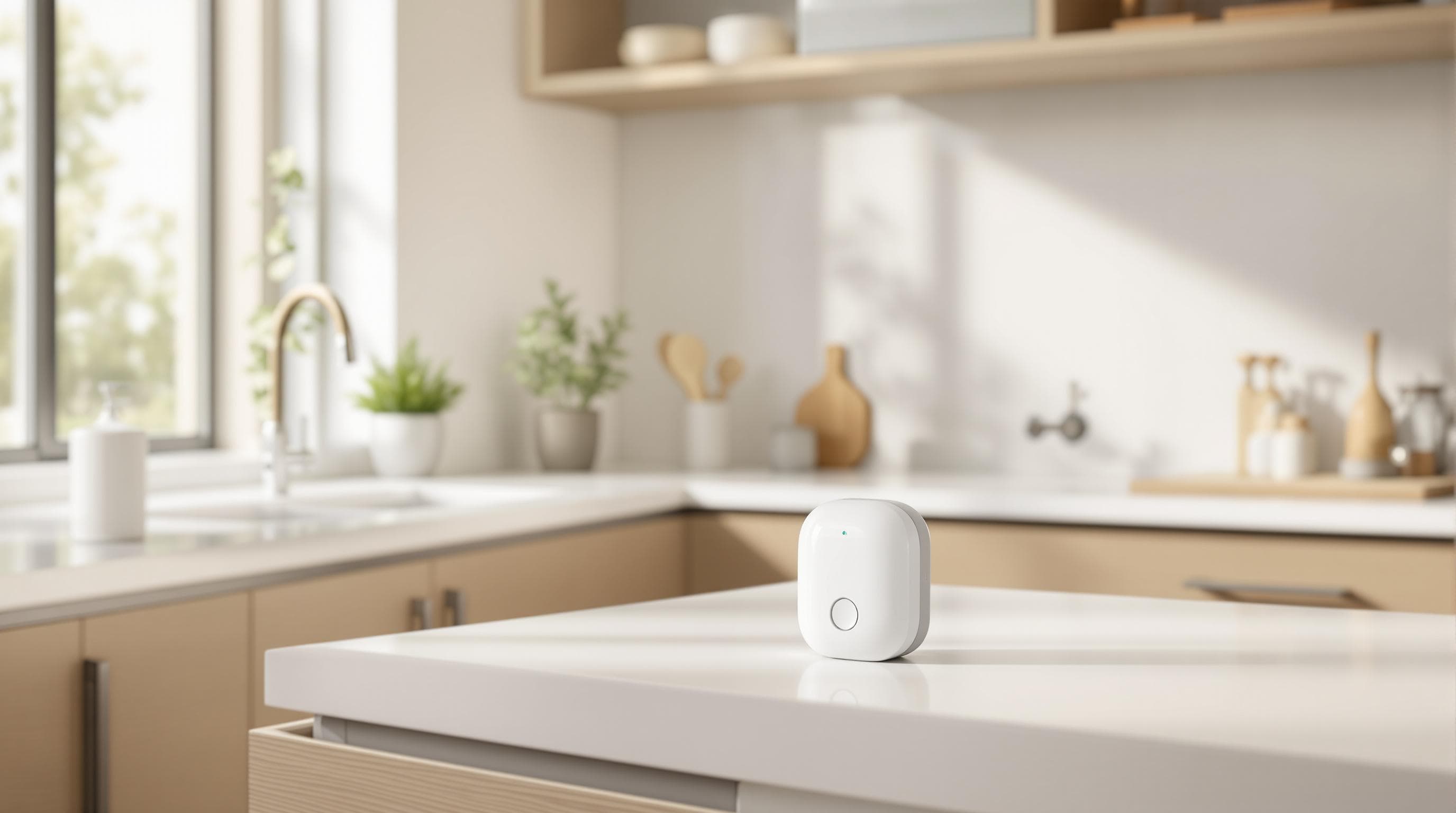
How IoT Prevents Water Damage at Home
Explore how IoT devices like leak sensors and smart valves can protect your home from water damage and save you money on repairs and bills.
How IoT Prevents Water Damage at Home
Did you know that water damage is one of the most expensive issues for homeowners? IoT devices can help you avoid costly repairs by detecting leaks early, monitoring water usage, and even shutting off your water supply automatically. Here’s how these smart tools work:
- Leak Sensors: Detect water leaks in critical areas like under sinks and near appliances.
- Water Flow Meters: Monitor water usage to spot hidden leaks.
- Smart Water Valves: Shut off water automatically when leaks are detected.
- Temperature & Humidity Monitors: Prevent damage from freezing pipes or high humidity.
With real-time alerts sent to your smartphone, IoT systems allow you to act quickly, save on bills, and even qualify for insurance discounts. These tools transform home maintenance from reactive to proactive, keeping your property safe and your costs down. Ready to protect your home? Let’s dive in.
What are Smart Water Leak Detectors?
IoT Devices for Water Protection
Here’s a breakdown of IoT devices designed to help safeguard your home from water damage.
Leak Sensors
Leak sensors are compact, battery-powered devices that detect water leaks as they happen. They’re typically placed in areas where leaks are most likely to occur, such as:
- Under sinks and near washing machines
- Around water heaters and dishwashers
- At the base of toilets and in shower areas
- Below refrigerator water lines
- Near basement sump pumps
Water Flow Meters
Water flow meters track your home’s water usage to identify hidden leaks. Installed on your main water line, these devices measure water flow using sensors without interfering with your plumbing. They can spot unusual patterns, like running toilets or dripping faucets, by comparing current usage to historical data.
Smart Water Valves
Smart water valves take protection a step further by automatically shutting off your home’s water supply when a leak is detected. These valves work alongside leak sensors and flow meters and offer features like:
- Remote control through smartphone apps
- Automatic shut-off when a leak is identified
- Integration with other IoT water devices
- Battery backup for power outages
- Manual override for maintenance
Temperature and Humidity Monitors
Temperature and humidity sensors help prevent water damage before it happens. They monitor conditions that can lead to damage, such as freezing pipes or high humidity. Key benefits include:
- Sending alerts when pipe temperatures approach freezing (around 32°F)
- Tracking humidity levels to prevent condensation and mold
- Identifying poorly ventilated areas
- Spotting temperature changes that could indicate insulation issues
Install these monitors near water pipes in exterior walls, crawl spaces, and other vulnerable areas.
Advantages of IoT Water Protection
IoT technology is changing the way we prevent water damage at home. Using sensors, meters, and valves, these systems provide real-time solutions to safeguard your property.
Quick Leak Detection
IoT systems go beyond just identifying leaks - they help you act fast. Sensors detect leaks early, allowing you to address the issue before it turns into an expensive repair. Immediate alerts mean you can fix problems quickly and avoid further damage.
Mobile Alerts and Control
With IoT systems, you can manage your water supply from anywhere. Real-time alerts sent to your smartphone let you monitor water usage and even shut off the water remotely. This is especially useful if you're away for an extended period.
Lower Bills and Water Use
IoT devices help identify wasteful habits, like running toilets or dripping faucets. Fixing these issues not only saves water but also reduces your monthly bills. Catching hidden leaks early helps conserve resources and keeps costs down.
Insurance Benefits
Homes equipped with IoT water monitoring systems often qualify for perks from insurance companies. These can include discounts on premiums, lower deductibles, and quicker claims processing. Some insurers may even offer higher coverage limits for homes with active monitoring.
Brickwise users can take advantage of these IoT features, combined with AI-driven maintenance scheduling and digital record-keeping, for an even more streamlined home management experience.
sbb-itb-17bacab
Setting Up IoT Water Protection
Planning your IoT water protection system carefully helps you catch leaks early and reduce repair costs.
Check Risk Areas
Want this maintenance done for you?
Brickwise builds personalized schedules from your home inspection report — free for 14 days.
Start by identifying areas in your home that are most likely to have leaks. Focus on these common trouble spots:
- Basement & Foundation: Look for signs of moisture, cracks, or water seepage near pipes and walls.
- Water Heater: Check connections, drain pans, and the surrounding floor for any signs of leaks.
- Under-sink Cabinets: Inspect pipe joints and drain connections in kitchens and bathrooms.
- Washing Machine: Examine supply hoses and drain connections for wear or damage.
- Main Water Supply: Locate the entry point and shutoff valve, and inspect for any issues.
Choose IoT Equipment
Pick devices that fit your home's layout and address the identified risk areas. Here are some key components to consider:
| Device Type | Placement Location | Key Features |
|---|---|---|
| Water Sensors | Under sinks, near toilets, by appliances | Long battery life (2+ years), wireless range (150+ ft) |
| Flow Meters | Main water line, major branch lines | Real-time tracking, automatic shutoff capabilities |
| Smart Valves | Before major appliances, main supply | Remote operation, emergency shutoff functionality |
| Hub/Gateway | Central location | Wi-Fi enabled, integrates with smartphone apps |
These devices are designed to monitor and protect the areas most at risk in your home, making maintenance more manageable.
Install and Update Systems
Once you've chosen your equipment, follow these steps to get everything up and running:
- Hire a plumber to identify the most vulnerable spots in your home.
- Install water sensors, flow meters, and smart valves according to the manufacturer's instructions, ensuring they connect reliably to the hub.
- Set up your system dashboard with alert thresholds and emergency contacts. Test for water sensitivity, notification speed, remote shutoff functionality, and backup systems.
If you're a Brickwise user, you can integrate your IoT water protection system with your existing home maintenance dashboard. This allows for centralized monitoring and automated maintenance scheduling.
What's Next in IoT Water Protection
New advancements in IoT are taking water protection to the next level with predictive tools and better-connected devices. These technologies build on existing monitoring systems to prevent damage and improve efficiency.
AI Leak Prediction
AI is stepping in to predict leaks before they happen by analyzing data like water flow, pressure, temperature, and historical trends. Here's how it works:
| Data Type | What It Tracks | How It Helps |
|---|---|---|
| Water Flow | Usage patterns and sudden changes | Spots unusual consumption that may signal leaks |
| Pressure | System-wide pressure levels | Detects drops that could indicate pipe issues |
| Temperature | Water and ambient readings | Prevents freeze damage and pipe bursts |
| Historical Data | Past incidents and seasonal trends | Creates a baseline for normal system behavior |
By identifying potential issues early, AI makes it easier to address problems before they escalate.
Better Device Connection
AI leak prediction gets even more powerful with improved device integration. Smart home systems can now work together to respond automatically when a problem is detected. For example:
- Smart thermostats can adjust to prevent pipes from freezing.
- Home security systems add another layer of monitoring.
- Voice assistants allow for hands-free control of your system.
- Smart electrical panels manage power during water-related emergencies.
If a leak is detected, the system can shut off the water supply and notify emergency contacts immediately.
Water Conservation
IoT technology is also helping homeowners save water in smarter ways:
- Usage Analytics: Breaks down water consumption to spot inefficiencies.
- Smart Irrigation: Adjusts watering schedules based on weather conditions.
- Fixture-specific Monitoring: Tracks usage for individual devices like faucets and washing machines.
Brickwise users, for instance, get detailed water usage reports through the maintenance dashboard, making it easier to find ways to conserve water.
Wrap-Up
Main Points
IoT systems bring several advantages to managing water protection:
| Benefit | Effect | Result |
|---|---|---|
| Early Detection | Real-time monitoring | Helps avoid costly repairs |
| Remote Control | Access from anywhere | Enables quick action when needed |
| Cost Savings | Tracks usage | Lowers bills and insurance expenses |
Brickwise Support
Take your IoT water protection to the next level by pairing it with a reliable home management platform like Brickwise. This platform simplifies maintenance and monitoring while offering features like:
- Maintenance Tracking: Set up custom schedules to check water sensors and smart valves.
- Document Storage: Organize warranties, installation manuals, and maintenance records in one place.
- Expert Assistance: Get help from the AI assistant for troubleshooting and maintenance reminders.
Turn this checklist into a personalized maintenance plan
Brickwise turns your home inspection report into a custom maintenance schedule with due dates, cost estimates, and DIY-vs-pro recommendations. Free for 14 days, no credit card required.